
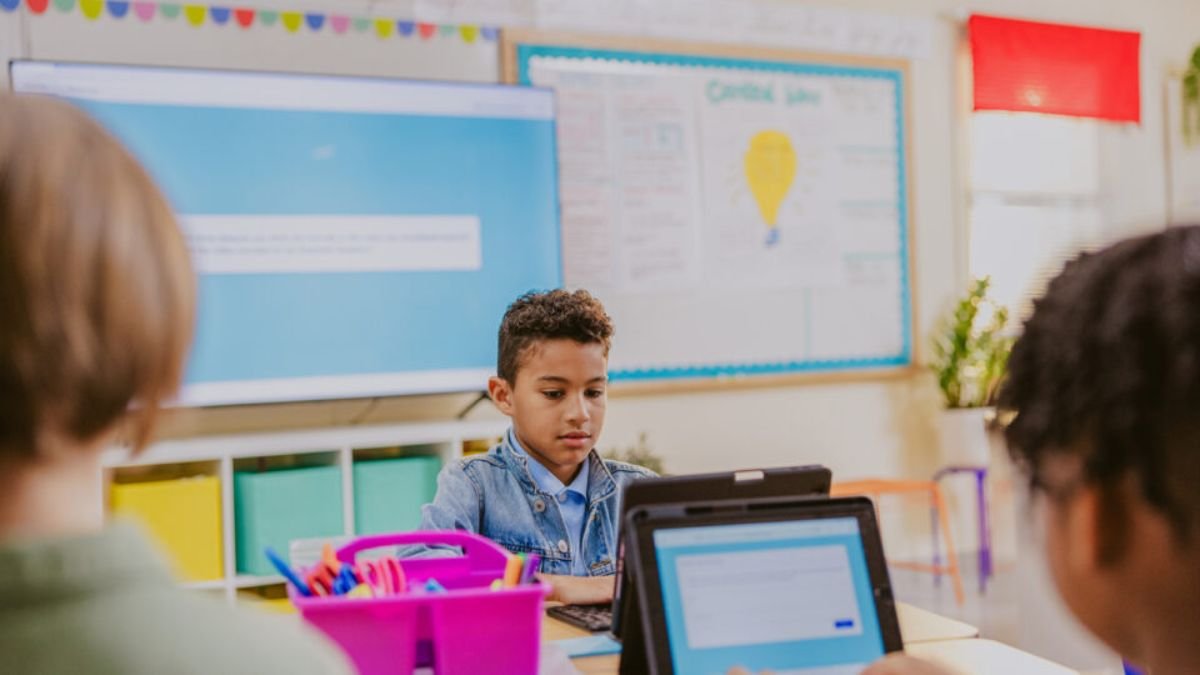
In today’s changing times, the methods of education have also changed. Studying in a classroom is no longer the only option. The internet, technology, and flexible education systems have opened new avenues for students. This has made it necessary to compare “distance education” and “regular education.” Both have their own advantages and disadvantages, and it is important for students to understand which option best suits their career and lifestyle.
What is Regular Education?
Regular education refers to the traditional method of studying at a university or college. In this, students attend classes, receive direct guidance from teachers, and study according to a regular schedule.
The biggest advantage of regular education is that students can interact directly with teachers, participate in group activities, and share experiences with their classmates. This method also helps increase social interaction and build networks.
However, this method has time and space constraints. Students are required to attend college every day, and if they are absent for any reason, their learning experience can be affected.
What is Distance Education?
Distance education, also known as “online education” or “open university learning,” allows students to access education from home or anywhere. It includes study materials, online lectures, video classes, and digital assignments. Universities like IGNOU have been successfully implementing this method in India for years.
The biggest advantage of distance education is its flexibility in terms of time and location. Students can study at their convenience, pursue higher education while working, and understand subjects at their own pace.
However, it requires greater self-discipline and time management. Without regular guidance, the learning process can be challenging for some students.
Advantages of Regular Education
- Direct communication and guidance: Students can ask questions directly to teachers and receive immediate solutions.
- Social and networking opportunities: College life fosters friendships and networks through classmates and club activities.
- Experiential learning: Learning experiences through labs, projects, and group work are more effective.
- Recognition and acceptance: Most employers and higher education institutions prefer regular degrees.
Disadvantages of regular education
- Time and location restrictions: Students must commute to college daily, which can be difficult with jobs or other responsibilities.
- High costs: Fees, hostel expenses, and other expenses are often high.
- Less flexibility: It is difficult to change the curriculum and schedule.
Advantages of distance education
- Flexibility: Students can study at their own convenience.
- Low costs: It is an affordable option due to lower fees and travel expenses.
- Studying while on the job: Higher education can be pursued while working, working, or having other responsibilities.
- Use of technology: Digital platforms and online resources make the learning process more effective.
Disadvantages of Distance Education
- Less social interaction: There is a lack of direct interaction with classmates and teachers.
- Self-discipline required: Regular study and time management depend entirely on the student.
- Limited practical experience: Lab and project-based experience may be limited.
- Challenges of acceptance by some employers: Some companies and institutions do not prioritize distance degrees.
Which should one choose – Distance or Regular?
The student’s goals, lifestyle, and career plans play a significant role in this decision. If a student wants a college experience, social interaction, and hands-on learning, regular education is a better option.
On the other hand, if the student is working, lives in a remote area, or wants to study at a flexible time, distance education is ideal. Furthermore, some professional courses and online certificate programs are also available through distance education.
Technology and the Future of Education
The increasing use of technology in distance education is making it even more effective. Video lectures, virtual classrooms, online assignments, and digital exams have given students the opportunity to receive high-quality education from the comfort of their homes.
The future education system is likely to be a blend of both approaches, known as a hybrid education model. This will provide students with both flexibility and hands-on experience.
Conclusion
Both distance education and regular education have their advantages and disadvantages. Choosing the right option depends on students’ lifestyle, career goals, and personal preferences.
Regular education provides students with traditional experiences and networking opportunities, while distance education is flexible in time and location and offers the opportunity to combine studies with a job.
In today’s world, with the help of technology and online platforms, distance education has become a more effective and recognized option than ever before. Therefore, students should choose their education method based on their goals, resources, and lifestyle. The right choice can take your career and future to new heights.